Financial planning for young adults is less about predicting the future and more about building systems that make good money decisions automatic. In your 20s and early 30s, you have two advantages that are nearly impossible to replace later: time and relatively low fixed obligations. A dollar invested at 25 has decades to compound, and a budget set up before major expenses arrive is far easier to maintain than one rebuilt after them. This guide walks through the sequence most financial planners recommend, from cash reserves to retirement accounts, with the specific U.S. accounts and rules you need to know.
Start With a Budget You Can Actually Keep
Budgeting fails most often because it is too detailed to survive a busy month. A simpler approach is to track three numbers: income, fixed obligations, and flexible spending. Fixed obligations include rent, utilities, insurance premiums, minimum loan payments, and subscriptions. Everything else is flexible.
Two frameworks work well for beginners:
- 50/30/20: 50% of take-home pay to needs, 30% to wants, and 20% to savings and debt above minimums. It is a guideline, not a rule; in high-cost cities, needs may exceed 50%.
- Zero-based budgeting: Every dollar is assigned a job at the start of the month. This gives more control but requires more maintenance.
Whichever you choose, automate the savings portion. A recurring transfer from checking to savings on payday removes the monthly decision and tends to produce more consistent results than manual saving. Many employers also allow direct deposit splits, sending a set amount straight to a savings account before it ever reaches checking.
Build an Emergency Fund Before You Invest Aggressively
An emergency fund is the foundation of any plan because it prevents a car repair or medical bill from turning into credit card debt. The standard target is three to six months of essential expenses, held in a high-yield savings account at an FDIC-insured bank or an NCUA-insured credit union. For a young adult with stable income and low expenses, three months is a reasonable first milestone; freelancers and commission-based workers should aim higher.
Keep this money separate from investing. Emergency reserves are for liquidity and safety, not growth. Once the fund is funded, direct new savings toward debt and long-term goals.
Handle High-Interest Debt Strategically
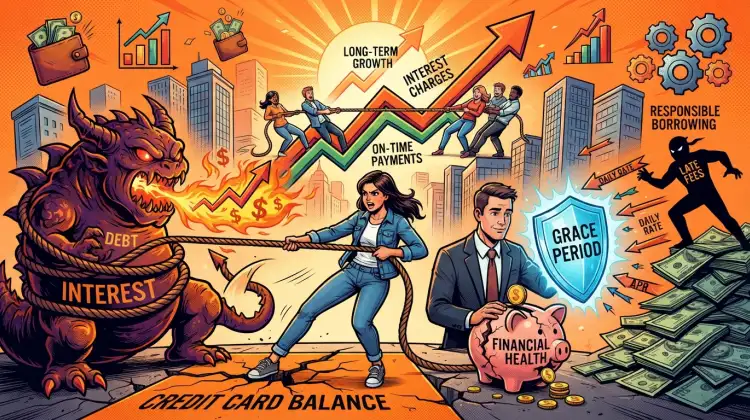
Not all debt deserves the same urgency. Credit card balances routinely carry annual percentage rates above 20%, which is a guaranteed, risk-free cost that no investment reliably beats. Paying those down is effectively a high-return move.
A common approach is a hybrid:
- Make all minimum payments to protect your credit score.
- Throw every extra dollar at the highest-rate balance first (the avalanche method).
- Consider the snowball method—paying the smallest balance first—if motivation is the bigger obstacle. Research on debt repayment suggests closing accounts quickly can help people stay on track.
Federal student loans generally offer more flexible repayment options, including income-driven repayment plans, than private loans. Before refinancing federal loans into a private loan, weigh the loss of federal protections carefully.
Capture Free Money and Start Retirement Savings Early
If your employer offers a 401(k) match, contributing enough to earn the full match is usually the highest-priority investment available to you. A typical match might be 50% of contributions up to 6% of salary—an immediate 50% return on that portion of your savings.
Beyond the match, the two main account types for young adults are:
- Roth IRA: Contributions are made with after-tax dollars, and qualified withdrawals in retirement are tax-free. For most people early in their careers, when income is lower, the Roth advantage is significant. The IRS sets annual contribution limits and income phase-outs, so check the current figures each year.
- Traditional 401(k): Contributions reduce taxable income now, and withdrawals are taxed in retirement. This becomes more attractive as your income rises.
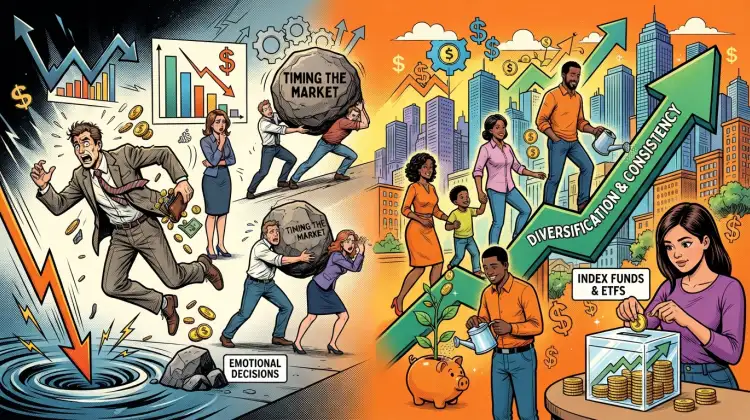
Inside these accounts, a low-cost diversified portfolio—often a target-date fund or a simple index fund mix—is appropriate for most beginners. Fees matter: a fund with a 1% expense ratio can erode a meaningful share of returns over 40 years compared with one charging 0.05%.
Protect Your Plan With Insurance and Estate Basics
Risk management is the unglamorous half of financial planning. Health insurance is essential given the cost of uninsured care in the U.S. If you rent, renters insurance is inexpensive and covers personal property and liability. Disability insurance, often available through an employer, protects your income—your most valuable asset at this stage.
Estate planning for young adults can be simple: name beneficiaries on retirement accounts and bank accounts, and consider a basic will and health care directive, especially if you have dependents or own property. Beneficiary designations override a will, so keep them current after marriages, divorces, and births.
What to Remember
Financial planning for young adults works best as a sequence: build a budget you can maintain, fund an emergency reserve, eliminate high-interest debt, capture any employer retirement match, then expand retirement savings and taxable investing as income grows. Review the plan once or twice a year and after major life changes. The goal is not perfection in any single month but consistent progress that compounds—financially and behaviorally—over decades.