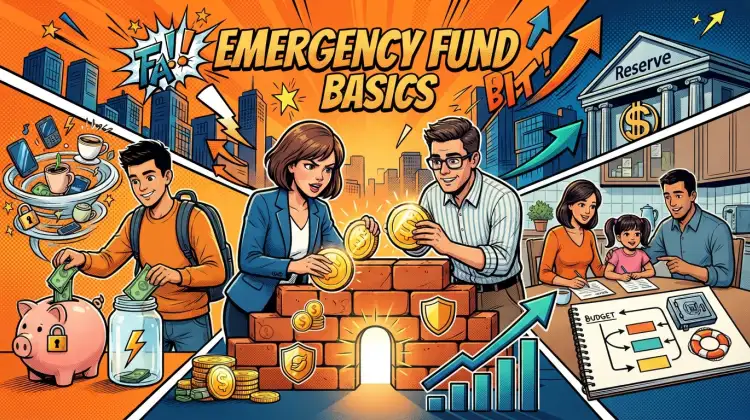
An emergency fund is money set aside to cover unexpected expenses—a job loss, a car repair, a medical bill, or a broken furnace—without forcing you into credit card debt or raiding your retirement accounts. It is the foundation of most financial plans because it turns a crisis into an inconvenience. The emergency fund basics are simple: decide on a target, choose the right account, and build the balance gradually. The details, however, matter more than most people expect.
What Counts as an Emergency (and What Doesn't)
An emergency is an expense that is unexpected, necessary, and urgent. All three conditions should be true. A layoff, a sudden medical bill, or a transmission failure qualifies. A holiday gift list, a vacation, or routine car maintenance does not—those belong in your regular budget or a separate sinking fund.
Being disciplined about this distinction protects the fund from slow erosion. Many people who "have" an emergency fund discover it has quietly become a general spending account. Naming the fund—for example, "Emergency Fund – Do Not Touch"—and keeping it separate from checking helps reinforce the boundary.
How Much Should You Save?
The standard guidance from the Consumer Financial Protection Bureau and most financial planners is three to six months of essential living expenses. Note the word essential. You are covering housing, utilities, groceries, insurance, transportation, and minimum debt payments—not dining out or streaming subscriptions.
- 3 months: a reasonable starting target for dual-income households with stable jobs and low fixed costs.
- 6 months: the common benchmark for single earners, variable or commission-based income, or households with dependents.
- 9–12 months: appropriate for freelancers, business owners, workers in volatile industries, or anyone supporting a family on one income.
If you are just starting, do not let a six-month target feel paralyzing. A $500 starter fund covers most minor emergencies and is far better than zero. Set a first milestone of one month of expenses, then build from there.
Where to Keep an Emergency Fund
The right account balances three needs: safety, liquidity, and some return. The comparison below covers the common options.
High-yield savings accounts (HYSA)
This is the default choice for most people. Deposits are FDIC-insured up to $250,000 per depositor, per bank, per ownership category, and funds are available within a day or two. Online banks typically pay meaningfully more than the national average on savings accounts, which historically has hovered near 0.4%–0.5% according to FDIC data. A HYSA lets your emergency fund keep pace with inflation better than a traditional brick-and-mortar savings account.
Money market deposit accounts
Offered by banks and credit unions, these are also FDIC- or NCUA-insured and often come with limited check-writing or debit access. They can be a good fit if you want slightly easier access than a pure savings account, though yields vary widely.
Treasury bills and money market funds
Short-term Treasury bills are backed by the U.S. government and can be purchased through TreasuryDirect. They are extremely safe but less liquid—you may need to wait for maturity or sell on a secondary market. Money market mutual funds are not FDIC-insured, though government money market funds hold very low-risk assets. These options suit a portion of a larger fund, not the whole thing.
What to avoid
Keep the emergency fund out of stocks, long-term CDs with early-withdrawal penalties, and retirement accounts. The point is to have the money when markets are down and you need it most—not to maximize growth.
How to Build the Fund Step by Step
- Calculate your essential monthly expenses. Pull three months of bank and card statements and add up only the non-negotiables.
- Set a target and a first milestone. Aim for one month of expenses first, then three, then six.
- Automate a transfer. Schedule a recurring transfer on payday so saving happens before spending.
- Direct windfalls. Route tax refunds, bonuses, and side income into the fund until you hit your target.
- Replenish after use. Treat a withdrawal as a temporary state, not a permanent one, and rebuild as soon as the crisis passes.
If you carry high-interest credit card debt, a common approach is to build a small $1,000 buffer first, then split extra cash between debt payoff and the emergency fund. The buffer prevents new debt from small shocks while you make progress.
Reviewing and Maintaining Your Fund
Revisit the target once a year or after any major life change—a new job, a move, a child, or a change in income. Expenses rise over time, so a fund sized for your life three years ago may be too small today. Also confirm that your account still pays a competitive rate; savings rates shift, and moving to a better account takes minutes.
What to Remember
An emergency fund is insurance you pay yourself. Size it at three to six months of essential expenses, keep it in an FDIC-insured high-yield savings account, and build it in milestones so progress feels achievable. Automate contributions, define what counts as an emergency, and replenish the balance after every withdrawal. Done consistently, these emergency fund basics turn financial shocks from setbacks into manageable events.