Your credit score influences far more than whether you get approved for a credit card. In the United States, three-digit FICO and VantageScore numbers can shape your mortgage rate, auto loan terms, insurance premiums in most states, and even rental applications. Yet the same mistakes appear again and again on credit reports. The good news: most are preventable once you understand how the scoring models actually work. This guide walks through the most common credit mistakes, why they hurt, and what to do instead.
Paying Late or Skipping Payments Entirely
Payment history is the single largest factor in FICO scores, generally accounting for about 35% of the calculation. A payment reported 30 days past due can stay on your credit reports for up to seven years, and the damage is heaviest in the first two years.
Common traps include:
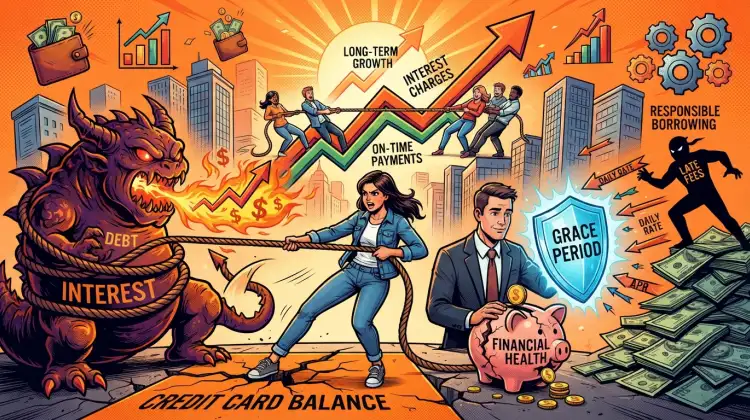
- Assuming a grace period protects you — most issuers report delinquency once you hit 30 days past due.
- Missing a payment because you changed banks and forgot to update autopay.
- Paying the minimum on one card while letting another go unpaid.
Set up automatic payments for at least the minimum on every account, and consider calendar reminders a few days before each due date. If you genuinely cannot pay, contact the lender before the due date; many offer hardship programs that avoid a delinquency notation.
Running Up High Credit Utilization
Amounts owed — your credit utilization ratio — makes up roughly 30% of a FICO score. Utilization is calculated per card and across all cards, so maxing out a single card can hurt even if your overall balances look modest. Many experts suggest keeping utilization below 30%, and below 10% is better for top-tier scores.
Practical fixes:
- Pay down balances before the statement closing date, not just the due date, since issuers typically report balances at statement close.
- Request a credit limit increase on cards you manage responsibly — a higher limit lowers your ratio without new spending.
- Avoid opening several new cards in a short window just to raise your total available credit; the hard inquiries and lower average account age can offset the benefit.
Closing Old Credit Cards
Closing an older card can lower your total available credit and shorten your average account age — two factors that feed directly into your score. Unless an annual fee outweighs the benefit, consider keeping long-held cards open with a small recurring charge and autopay, or ask the issuer to downgrade the card to a no-fee version rather than closing it.
Note that closed accounts in good standing generally stay on your report for up to 10 years, so the immediate impact is often modest. The bigger risk is the utilization jump if you carry balances elsewhere.
Applying for Too Much Credit at Once
Each hard inquiry can trim a few points, and multiple applications in a short period signal risk to lenders. Rate shopping for a mortgage or auto loan is treated differently: FICO and VantageScore group inquiries within a 14- to 45-day window (depending on the model) so comparison shopping counts as one inquiry. Store cards and general-purpose credit card applications do not get that protection.
Before applying, check whether the issuer uses a soft pull for prequalification. Also review your credit reports at AnnualCreditReport.com — the federally authorized site for free reports from Equifax, Experian, and TransUnion — to catch errors before a lender does.
Ignoring Errors and Identity Theft Red Flags
According to the Federal Trade Commission, credit report errors are common, and a 2021 Consumer Financial Protection Bureau analysis found that roughly a third of consumers who disputed errors saw a change to their reports. Unfamiliar accounts, addresses, or inquiries can indicate identity theft.
Dispute inaccurate items directly with the credit bureau and the furnisher. If fraud is involved, place a free credit freeze with all three bureaus and file an identity theft report at IdentityTheft.gov. Monitoring alone does not fix errors — you have to act on them.
Co-Signing and Authorized User Blind Spots
Co-signing a loan makes you legally responsible for the debt, and the account appears on your credit reports. A single missed payment by the primary borrower can damage your score. Similarly, adding someone as an authorized user shares your account history with them — and their behavior can affect the account you both rely on. Be clear about expectations before signing anything.
What to Remember
Avoiding common credit mistakes comes down to a few habits: pay every bill on time, keep balances low relative to your limits, keep old accounts open when practical, space out applications, and review your reports for errors at least annually. None of these require perfect finances — they require consistency. Small, disciplined choices compound into stronger credit and cheaper borrowing over time.