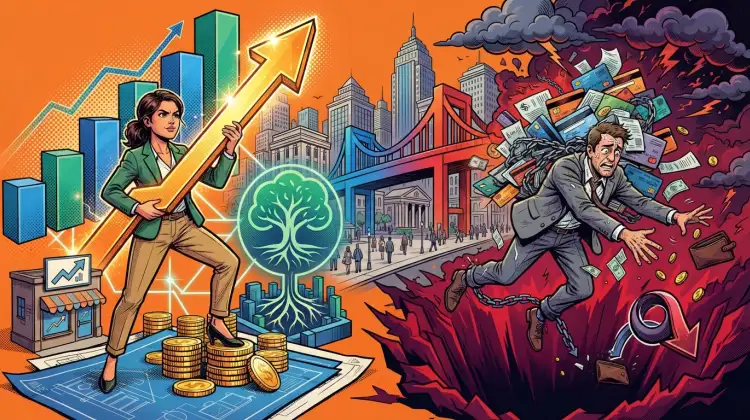
Not all borrowing is created equal. A mortgage that builds equity in a home you live in for years is a very different financial animal from a payday loan taken out to cover a car repair. Understanding the difference between good debt and bad debt is one of the most useful skills in personal finance, because it helps you decide when borrowing makes sense and when it quietly works against you.
There is no official label that lenders or credit bureaus attach to a loan. Instead, "good" and "bad" describe how a particular debt affects your long-term financial health. The distinction comes down to what the money buys, what it costs, and whether you can comfortably repay it.
What Makes Debt "Good"?
Good debt generally has three traits: it finances something that grows in value or increases your earning power, it carries a relatively low interest rate, and the payment fits comfortably within your budget. Common examples include:
- A mortgage. Home values tend to appreciate over long periods, and you build equity with each payment. Mortgage interest may also be tax-deductible on loans up to the IRS limits for qualified residences.
- Federal student loans. Education can raise lifetime earnings, and federal loans offer income-driven repayment and forgiveness options that private loans do not.
- A small business loan used for growth. Borrowing to buy equipment or hire staff can generate revenue that exceeds the cost of the loan.
Even these debts can turn bad if the balance is too large relative to your income, the rate is high, or the asset loses value. A mortgage you cannot afford is not good debt, no matter what it finances.
What Makes Debt "Bad"?
Bad debt typically funds consumption, depreciates quickly, or carries a high interest rate that outpaces any return. Examples include:
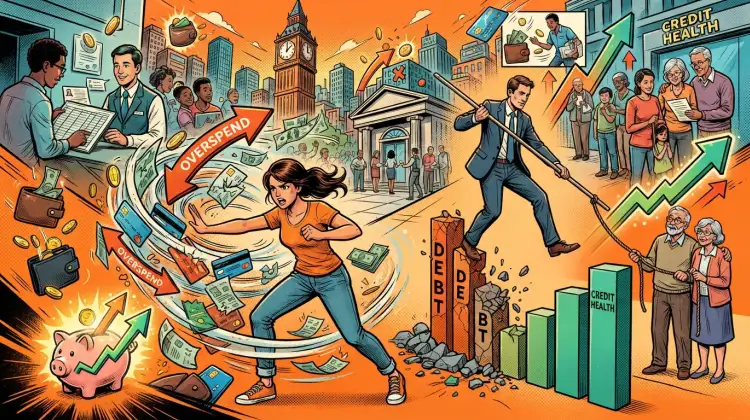
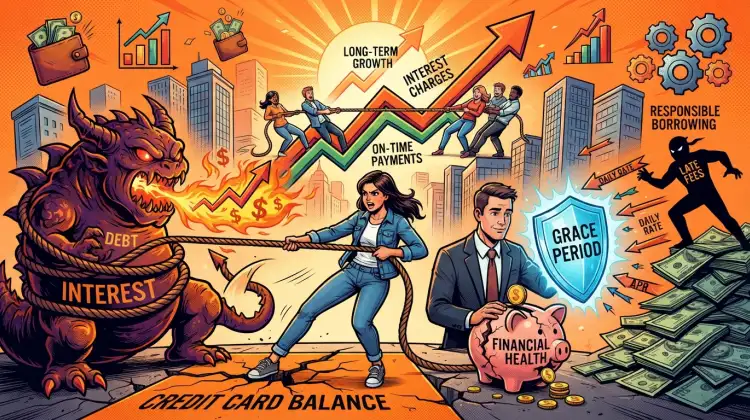
- Credit card balances carried month to month. The average annual percentage rate on credit cards has hovered well above 20% in recent years, according to Federal Reserve data. Paying 22% interest to fund dinners or gadgets is expensive money.
- Payday and auto-title loans. These often carry triple-digit APRs and are structured to roll over, trapping borrowers in cycles of fees.
- Financing a rapidly depreciating asset. A new car loses a large share of its value in the first few years, and a long loan term can leave you owing more than the vehicle is worth.
Bad debt is not a moral failing, but it is a signal that the borrowing is costing more than it returns.
How Each Type Affects Your Credit Scores
Credit scoring models like FICO and VantageScore do not directly reward "good" debt or punish "bad" debt. What matters is how you manage it. Key factors include:
- Payment history is the largest factor in FICO scores, so on-time payments on any debt help.
- Credit utilization measures how much of your available revolving credit you use. Keeping balances low, generally under 30% and ideally under 10%, supports stronger scores.
- Credit mix rewards a healthy blend of installment loans and revolving accounts, which is one reason a well-managed mortgage or student loan can be a modest positive.
The takeaway: a high-interest credit card balance hurts your scores mainly because it raises utilization and invites missed payments, not because the debt is inherently "bad."
A Practical Framework for Deciding Whether to Borrow
Before signing any loan, run through these questions:
- What does the money buy? An appreciating asset or higher earning power leans good; consumption leans bad.
- What is the true cost? Compare the APR, fees, and total interest paid, not just the monthly payment.
- Can I afford it if life changes? Stress-test the payment against a job loss or income drop.
- Is there a cheaper alternative? An emergency fund, a 0% introductory offer paid off in full, or a federal loan may beat a high-rate private option.
- Does it fit my debt-to-income ratio? Lenders generally prefer total monthly debt payments below 36% of gross income, though mortgage guidelines vary.
Managing Existing Debt Responsibly
If you already carry balances, focus on the highest-rate debt first, which saves the most money over time. A balance transfer to a lower-rate card can help if you can pay it off before the promotional period ends. For federal student loans, income-driven repayment plans cap payments relative to earnings. If you are struggling, contact your lender or a nonprofit credit counselor before you miss a payment; delinquency can stay on your credit reports for up to seven years.
Building an emergency fund of three to six months of expenses is one of the best defenses against bad debt, because it reduces the need to borrow when unexpected costs appear.
The Short Version
Good debt finances things that grow in value or income, carries a manageable rate, and fits your budget. Bad debt funds consumption, depreciates fast, or charges interest that outruns any return. Credit scores do not judge the purpose of your borrowing, but they do reward on-time payments and low utilization. Use debt deliberately, keep high-interest balances near zero, and protect your long-term financial health by borrowing only when the math clearly works in your favor.